IT Planning & Governance
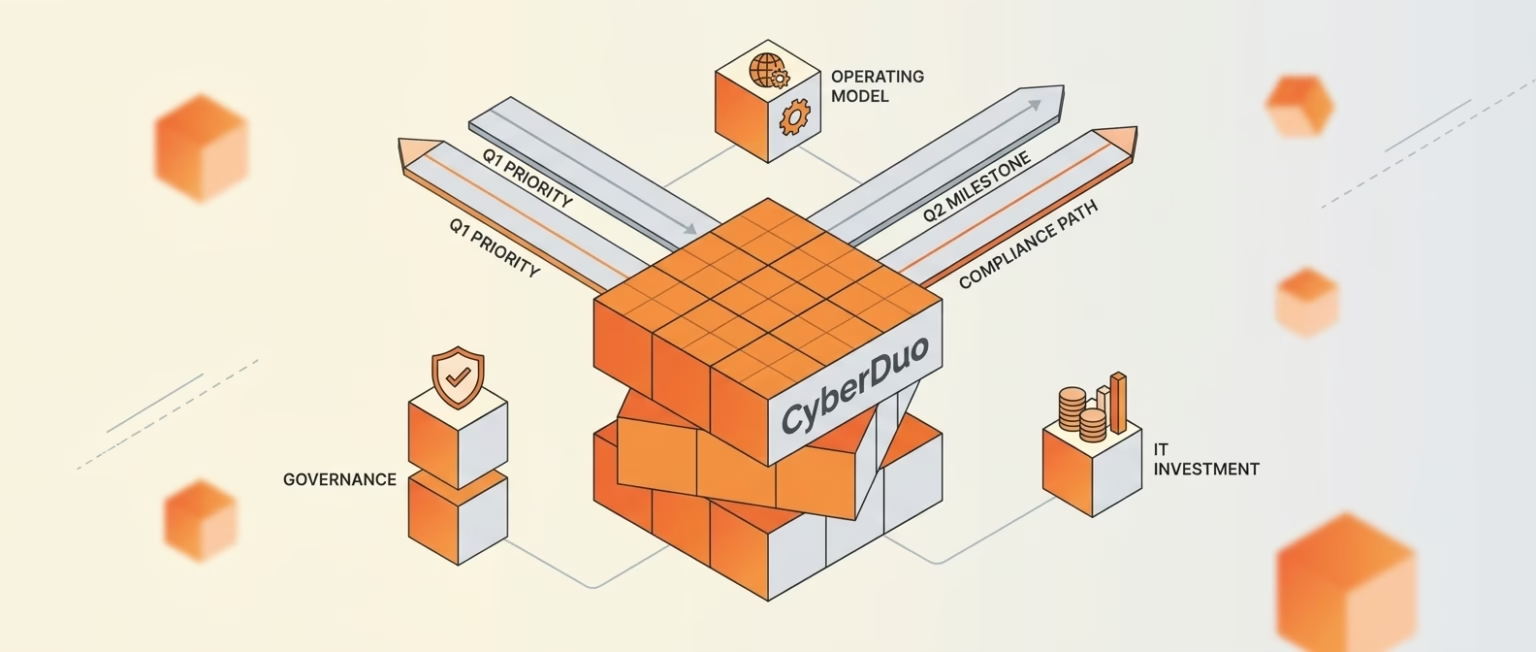
IT Planning & Governance helps businesses move from reactive technology decisions to a more structured operating model. CyberDuo works with leadership and IT stakeholders to clarify priorities, create roadmaps, set standards, and improve how technology decisions are made over time. That is especially useful for mid-market organizations that are growing fast or trying to reduce inconsistency across vendors, systems, and internal teams.
Good governance is not red tape for the sake of process. It is what helps the business decide what matters, what can wait, how change should be controlled, and how IT investments should support operations, compliance, and growth. Without that structure, even good technology can become expensive, inconsistent, and hard to manage.
What This Service Covers
Why It Matters
Best Fit For
Frequently Asked Questions
What does governance actually mean in practice?
In practice, it means clearer standards, better decision rules, more intentional prioritization, and less guesswork around changes, investments, and ownership.
Does this align with budget planning?
Yes. Strong planning and governance should make budget conversations easier by connecting spend to real business outcomes and risk priorities.
Is this only useful for large enterprises?
No. It can be especially valuable for mid-market businesses because they often need structure before complexity grows too far ahead of process.